A basis of supply, not a disclaimer
Research-use-only is usually read as small print — a line added at the bottom of a page to shift risk, which everyone involved understands to be theatre. It is not that. It is the description of what is being sold and on what terms, and it is the reason the transaction is possible at all.
The distinction is practical rather than semantic. A disclaimer is a statement about liability appended to a product. A basis of supply determines what the product is: what regulatory framework it sits in, what documentation exists for it, what the supplier is permitted to say about it, and what the purchaser is agreeing to when they accept it. Change the basis and it is a different product with a different regulator, not the same product with different wording.
This matters most at the point where people expect it to be flexible. It is not negotiable per order, it does not change because a purchaser states a different intention, and no member of staff can vary it. There is no version of these products supplied on any other basis.
What the designation covers
Material supplied on this basis is supplied for use in vitro — in cell culture, in cell-free preparations, in tissue and analytical work carried out in a laboratory by qualified researchers. That is the whole of it.
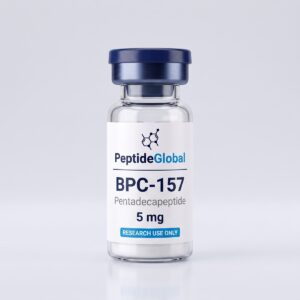
Within that scope, what a supplier can properly provide is specification and handling information: the compound, its pharmacological class, the mass in the container, the concentration, the fill volume, the storage conditions, and how the material is packed and dispatched. Those are the facts on every product page in this catalogue and the facts quoted throughout this library.
What a supplier cannot properly provide is anything that reads as guidance on use in a person or an animal. That covers doses, routes, schedules, protocols, expected effects and comparisons framed in those terms — not because such questions are awkward, but because answering them would be presenting the product as something other than what it is, which is precisely the boundary described in the UK legality guide.
What it excludes
Research-use-only material is not for human or veterinary use, in any quantity, by any route, for any purpose. It is not a food, a supplement or a cosmetic. It is not intended to diagnose, treat, cure or prevent any disease. It is not for in-vivo work of any kind under this basis of supply.
The designation also excludes an entire apparatus that people reasonably assume is present. Because this material sits outside the medicines framework, there is no marketing authorisation, no regulatory inspection of manufacture as a medicine, no Qualified Person batch release, no pharmacopoeial monograph to assess it against, no patient information leaflet and no pharmacovigilance reporting route. Every one of those is a thing a licensed medicine has and this does not.
That list is not a criticism of any supplier, this one included. It is a description of the category, and it applies uniformly across it. The reason to state it plainly is that the alternative — leaving it implied — invites the assumption that research supply is a slightly less formal version of a pharmacy supply chain. It is not a version of one at all.
What Peptide Global is not
Peptide Global is not a pharmacy, not a registered healthcare provider and not a clinic. It does not supply medicines. It does not employ clinicians in a clinical capacity and does not give medical, clinical or veterinary advice, and it will not do so on request.
The enquiries it can answer concern specification, cold-chain handling, storage, dispatch and delivery, and the technical team answers those within one working day. Enquiries about use in people or animals cannot be answered, and that is a limit on what the company is, not a matter of caution.
Where responsibility sits
Purchasers are responsible for their own compliance with applicable law and with the requirements of their institution or ethics committee. In practice the institutional test is frequently the stricter of the two: an internal policy, a safety officer or an ethics committee may decline material that no law prohibits, and that decision is made inside the purchasing organisation rather than by any regulator.
Nothing on this site is legal advice, and nothing here states what any reader may or may not do. Readers with questions about their own position should put them to their legal advisers or their institution's compliance office. That is not a deflection — it is the only honest answer a supplier can give to a question whose answer depends on facts about the purchaser.
Where you confirm it
The basis of supply is confirmed twice, and both are deliberate rather than decorative. Entering the site requires confirmation that the visitor is 18 or over, is a qualified researcher or is purchasing on behalf of a research institution, and that anything purchased will be used solely for laboratory research. At checkout, purchasers confirm again that they are a qualified researcher aged 18 or over and that they accept the Research-Use-Only Policy and the Terms & Conditions.
Both documents apply to every order placed through this site. Placing an order is the confirmation; there is no separate step in which the basis is waived.
Common questions
What does “research use only” mean?
That the material is supplied for in-vitro laboratory research by qualified researchers, and for nothing else. It is a basis of supply rather than a disclaimer: it determines the regulatory framework the product sits in, the documentation that exists for it, and what the supplier is able to state about it.
Is research-use-only just a legal disclaimer?
No. A disclaimer is wording appended to a product; a basis of supply determines what the product is. These compounds hold no marketing authorisation, have no Qualified Person batch release and no pharmacopoeial monograph — that is a description of the category the designation places them in, not a caveat about it.
Can the research-use-only basis be varied for my order?
No. It is not negotiable per order, does not change if a purchaser states a different intention, and cannot be varied by any member of staff. There is no version of these products supplied on another basis.
Will Peptide Global advise on doses or protocols?
No. The company is not a pharmacy or a healthcare provider and does not give medical, clinical or veterinary advice. It can answer questions about specification, storage, cold-chain handling, dispatch and delivery.
Who is responsible for compliance?
The purchaser, both for applicable law and for the requirements of their institution or ethics committee. In practice the institutional test is often stricter than the legal one. Nothing on this site is legal advice.
Products described in this guide
Supplied for laboratory research use only. UK delivery is £4.95, free on orders over £100, tracked as standard.
Continue reading
Research use only
Every compound named on this page is supplied by Peptide Global strictly for laboratory research use only. Nothing here is for human or veterinary use. These are not foods, supplements or cosmetics, and they are not intended to diagnose, treat, cure or prevent any disease. Nothing on this page is medical, veterinary or legal advice, and no part of it describes administration to a person or an animal.
Purchasers are responsible for their own compliance with applicable law and with the requirements of their institution or ethics committee. At checkout, purchasers confirm they are a qualified researcher aged 18 or over and that they accept the Research-Use-Only Policy and Terms & Conditions.