Read the specification, not the name
Listings in this market are named loosely and specified precisely, and the specification is the part that carries information. "Reta pen", "glow blend", "MT-2" name a compound family or a device format; they say nothing about how much material is in the container or at what concentration. Two listings with identical names can differ by a factor of five in the quantity supplied.
Four figures determine what is actually being sold, and all four should be stated before a comparison means anything:
- Compound. The specific molecule, not a family. "GLP-1 peptide" is a category; tirzepatide is a molecule.
- Class. What the compound acts on — a dual GLP-1/GIP agonist, a growth hormone secretagogue, a copper tripeptide. This is what tells you whether two listings are alternatives at all.
- Mass in the container. Total peptide, in milligrams. For a blend this is the combined total across components.
- Concentration and volume. Milligrams per millilitre, and the fill volume. For a pre-mixed format these are fixed at manufacture and cannot be adjusted.
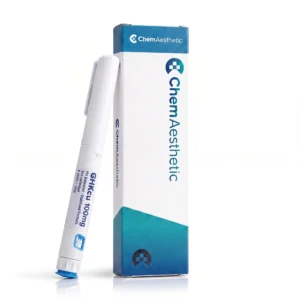
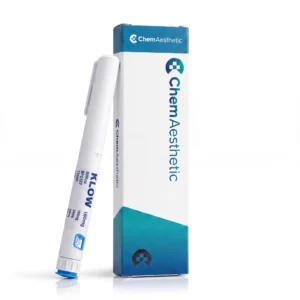
Every product page on this site states all four. The catalogue is uniform in one respect that makes comparison easier: every pen is a 3 ml cartridge, so mass and concentration move together and the differences between products are visible directly.
Compare cost per milligram
Unit price is close to meaningless across products that hold different quantities, and it is the number most listings lead with. Dividing price by milligrams of peptide gives a figure that can actually be compared, and it frequently reverses the apparent ranking — a cheaper unit holding a third of the material is not cheaper.
Two cautions on that arithmetic. For a blend, cost per milligram is cost per milligram of total peptide, which is not the same quantity as a single compound's — so compare component by component instead, which requires the listing to publish its split. Many do not. And tiered pricing changes the answer: where volume discounts apply, the single-unit price is the worst rate available and comparing it against a competitor's bulk rate is not a fair test.
Ask where the stock actually is
This is the question that most often separates two listings that look identical, and it is rarely answered on the page. A supplier may hold stock in the United Kingdom and dispatch from it, or may take the order and then bring the material in from elsewhere. The listing looks the same either way; the delivery time, the customs exposure and the length of time the material spends outside controlled storage do not.
It is a fair question to put to a supplier directly, and a straight answer is itself informative. Peptide Global holds its catalogue as UK stock and dispatches from the United Kingdom, with orders placed before 2pm GMT going out the same working day.
Cold chain and transit
Peptides in solution are temperature-sensitive, and a parcel that has spent three days at ambient temperature has not been stored at 2–8 °C regardless of what the listing said. What matters is the method and the duration together: whether the parcel is packed with a cold source and insulation, how long it is expected to be in transit, and whether the outer packaging is plain and tamper-evident.
Cold-packing covers transit only. The storage conditions stated for a product apply for as long as it is held, which means material should go into refrigerated storage on arrival rather than sit on a bench until someone gets to it. That is the single most common way otherwise sound material is compromised, and it happens after delivery rather than before it. The storage guide covers the conditions and the reasoning; the shipping and delivery page covers dispatch and transit.
Specifications that mean less than they appear
Some of the things listings compete on carry less information than their prominence suggests.
"Research grade" and "pharmaceutical grade" are not regulated terms and not graded scales. Neither corresponds to a standard, a monograph or an audit. They describe intended use and marketing position rather than a measured property, and they are available to any supplier to write.
Customer reviews on a supplier's own site are published by the supplier. There is no independent verification of who wrote them or whether they describe the product shown. This site does not publish reviews for that reason.
Volume claims — orders shipped, countries served, compounds stocked — are self-reported and unauditable. They may be perfectly accurate; they are simply not evidence.
What can be checked is narrower and more useful: whether a company exists as a legal entity with a company number that resolves at Companies House, whether the specifications are stated in full rather than gestured at, whether the research-use-only basis is stated plainly rather than buried, and whether a technical question gets a specific answer or a brochure.
Terms, payment and recourse
Read the returns position before ordering rather than after. Temperature-sensitive material that has left controlled storage generally cannot be returned to stock, so the practical scope of any return policy is narrower than a general consumer-goods policy would suggest, and the conditions matter. Peptide Global's are on the returns and refunds page.
Payment on this site is by bank transfer, authorised in the purchaser's own banking app through open banking. One consequence is worth knowing in advance: an order sits unpaid until the transfer clears, so an order placed and left unauthorised does not hold stock indefinitely. Volume purchasing is handled separately, with tier pricing and invoice payment, through the wholesale route.
Finally, the institutional test. Purchasers are responsible for their own compliance with applicable law and with the requirements of their institution or ethics committee, and in practice an internal policy is often a stricter test than the law. Establishing that before ordering is considerably less trouble than establishing it after delivery.
Common questions
What should I check before buying research peptides in the UK?
The compound and its class, the mass in the container, the concentration and the fill volume — then cost per milligram rather than per unit. Beyond the specification, confirm where stock is physically held, how the parcel is cold-packed, how long transit is expected to take, and what the returns position is for temperature-sensitive material.
Why is cost per milligram better than unit price?
Because containers hold different quantities. A cheaper pen holding a third of the peptide is not cheaper. Dividing price by total milligrams compares across single compounds, but not between a blend and a single compound — a blend's milligrams are spread across several molecules at different unit costs. Where a blend publishes its split, compare component by component; where it publishes only a total, that comparison cannot be made at all.
Does “pharmaceutical grade” mean anything?
Not as a specification. Neither it nor "research grade" is a regulated term, a graded scale or a monograph, and no standards body defines either. Both describe intended use and marketing position. Compare the figures a supplier actually states instead.
How can I tell whether a supplier holds UK stock?
Ask, and treat a vague answer as an answer. A supplier holding stock in the UK can say so plainly; one drop-shipping from elsewhere usually cannot. Peptide Global holds its catalogue as UK stock and dispatches from the United Kingdom, same working day before 2pm GMT.
How does Peptide Global take payment?
By bank transfer, authorised by the purchaser in their own banking app through open banking. Card details are never handled or stored. Volume purchasing on invoice is available through the wholesale route.
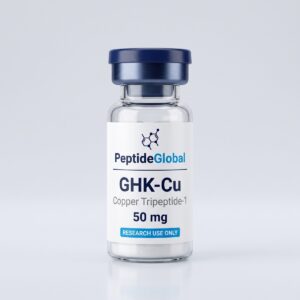
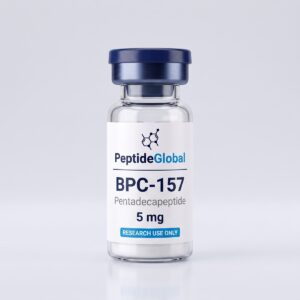
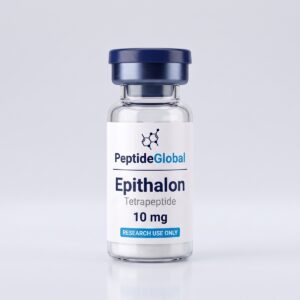
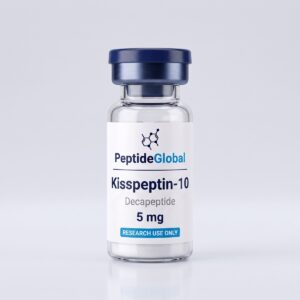
Products described in this guide
Supplied for laboratory research use only. UK delivery is £4.95, free on orders over £100, tracked as standard.
Continue reading
Research use only
Every compound named on this page is supplied by Peptide Global strictly for laboratory research use only. Nothing here is for human or veterinary use. These are not foods, supplements or cosmetics, and they are not intended to diagnose, treat, cure or prevent any disease. Nothing on this page is medical, veterinary or legal advice, and no part of it describes administration to a person or an animal.
Purchasers are responsible for their own compliance with applicable law and with the requirements of their institution or ethics committee. At checkout, purchasers confirm they are a qualified researcher aged 18 or over and that they accept the Research-Use-Only Policy and Terms & Conditions.